


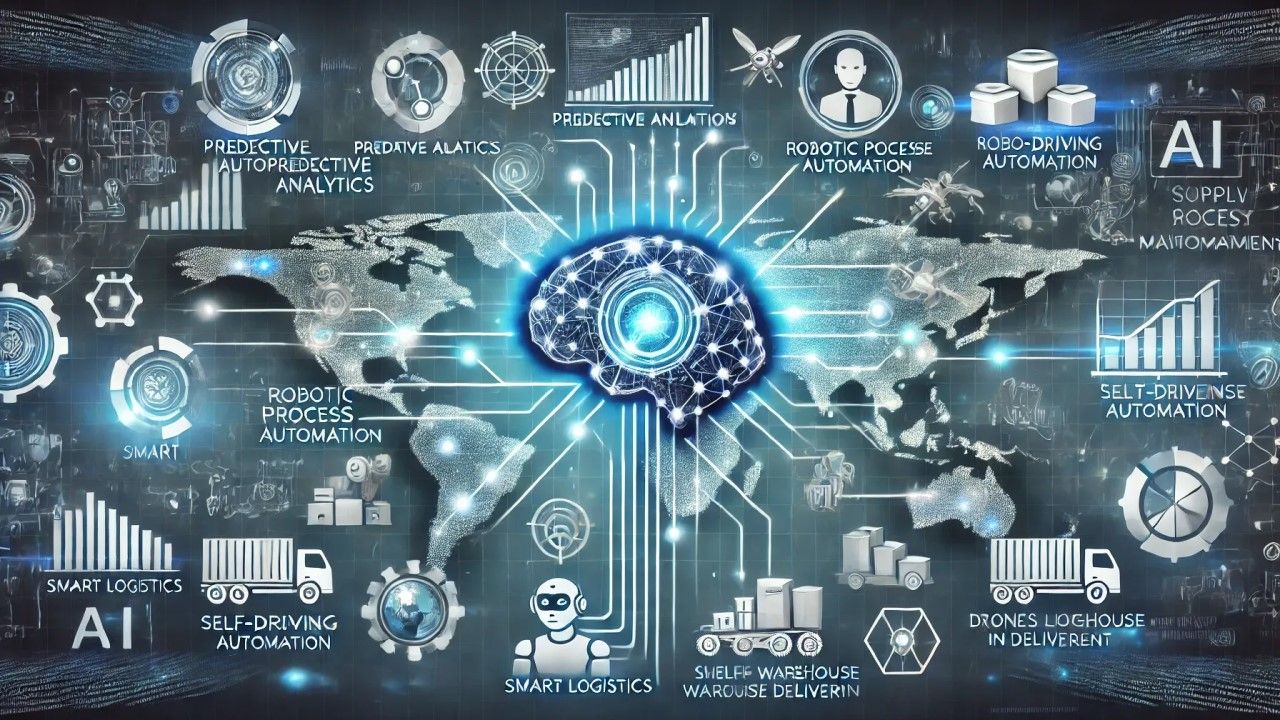
Artificial Intelligence (AI) is no longer a futuristic concept in supply chain management. It’s actively redefining how companies plan, execute, and optimize their logistics operations. From predictive analytics to autonomous decision-making, AI is driving efficiency, resilience, and agility across global supply chains.
Key Areas of Transformation
Demand Forecasting & Inventory Optimization
Executives can leverage AI to reduce working capital tied up in inventory. Predictive models integrate sales data, market signals, and external variables to align supply with demand minimizing both shortages and excess stock.
- AI-powered predictive models analyze historical sales, market trends, and external factors (like weather or economic shifts).
- This enables real-time demand forecasting, reducing stockouts and excess inventory.
- Example: Retailers use AI to anticipate seasonal demand spikes and adjust procurement accordingly.
Smart Logistics & Route Optimization
AI-powered logistics platforms continuously adjust delivery routes based on traffic, fuel costs, and weather. This reduces transportation spend while improving service levels, critical for customer satisfaction.
- Machine learning algorithms calculate the most efficient delivery routes.
- AI systems factor in traffic, fuel costs, and weather conditions to minimize delays.
- Logistics providers are increasingly adopting dynamic routing to cut costs and improve delivery speed.
Warehouse Automation
Robotics and computer vision automate repetitive tasks, increasing throughput and accuracy. For leaders, this means lower labor costs and fewer errors, while freeing human talent for higher-value activities.
- AI-driven robotics streamline picking, packing, and sorting.
- Computer vision enhances accuracy in inventory tracking and reduces human error.
- Autonomous mobile robots (AMRs) are becoming standard in large distribution centers.
Risk Management & Resilience
AI systems scan global data streams to flag potential disruptions supplier instability, geopolitical tensions, or climate events. Executives gain actionable insights to diversify sourcing and strengthen resilience.
- AI identifies potential disruptions (supplier delays, geopolitical risks, natural disasters).
- Companies can proactively adjust sourcing strategies or reroute shipments.
- This predictive capability strengthens supply chain resilience against global uncertainties.
Sustainability & Green Supply Chains
AI tracks emissions, optimizes energy use, and ensures compliance with evolving regulations. This not only reduces costs but also enhances brand reputation in an ESG-conscious market.
- AI helps optimize energy usage in warehouses and transportation.
- Predictive analytics reduce waste by aligning production with demand.
- Companies leverage AI to track carbon emissions and meet sustainability goals.
Future Outlook
AI is not just reshaping supply chain execution. It’s redefining the competitive edge. Companies that embrace AI-driven logistics will be better positioned to thrive in an increasingly complex and fast-moving global market. The next wave of AI in supply chains will focus on:
- Generative AI for scenario planning and simulations.
- Autonomous supply chains with minimal human intervention.
- Collaborative AI ecosystems where suppliers, manufacturers, and logistics partners share real-time insights.