


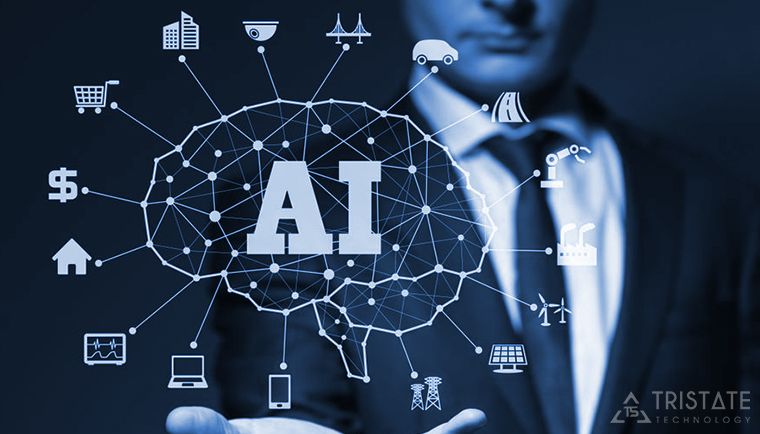
AI technology is revolutionizing logistics by making supply chains faster, smarter, and more resilient. Traditional logistics has long depended on manual planning and human decision-making, but AI introduces predictive analytics, intelligent automation, and real-time optimization, transforming logistics into a truly data-driven and adaptive ecosystem.
How AI is Changing Logistics
- Predictive Analytics: AI accurately forecasts demand and inventory requirements, minimizing stockouts and preventing costly overstock situations.
- Route Optimization: AI-powered systems determine the most efficient delivery routes, reducing fuel consumption, cutting costs, and accelerating delivery times.
- Automation: Modern warehouses deploy AI-driven robots for picking, packing, and sorting, dramatically improving speed and accuracy.
- Resilience: AI enables companies to anticipate supply chain disruptions such as port congestion or severe weather and proactively adjust operations to maintain continuity.
- Market Growth: The global AI in logistics market surged to $20.8 billion in 2025, expanding at an impressive 45.6% CAGR since 2020, underscoring its transformative impact on the industry.
The Backbone of Global Trade
Logistics is the lifeline of international commerce, but AI is redefining it by making supply chains more intelligent, agile, and customer-centric. Organizations that embrace AI in logistics achieve greater efficiency, reduce operational costs, and deliver superior customer satisfaction, positioning themselves ahead in a highly competitive global market.
Challenges & Trade-offs
- Implementation Costs: Deploying AI solutions requires significant upfront investment in infrastructure, technology, and workforce training.
- Data Quality: Incomplete or inaccurate data can undermine AI performance, making robust data governance essential.
- Human-AI Collaboration: While AI automates many processes, human oversight remains critical for handling exceptions, strategic decisions, and ethical considerations.
- Cybersecurity Risks: Increased reliance on AI and IoT heightens exposure to cyber threats, demanding strong security frameworks and continuous monitoring.

In summary: AI is not just enhancing logistics it is reshaping it into a predictive, automated, and resilient system. Companies that strategically integrate AI gain a decisive edge, combining operational excellence with customer satisfaction, while navigating challenges through careful planning and robust safeguards.