


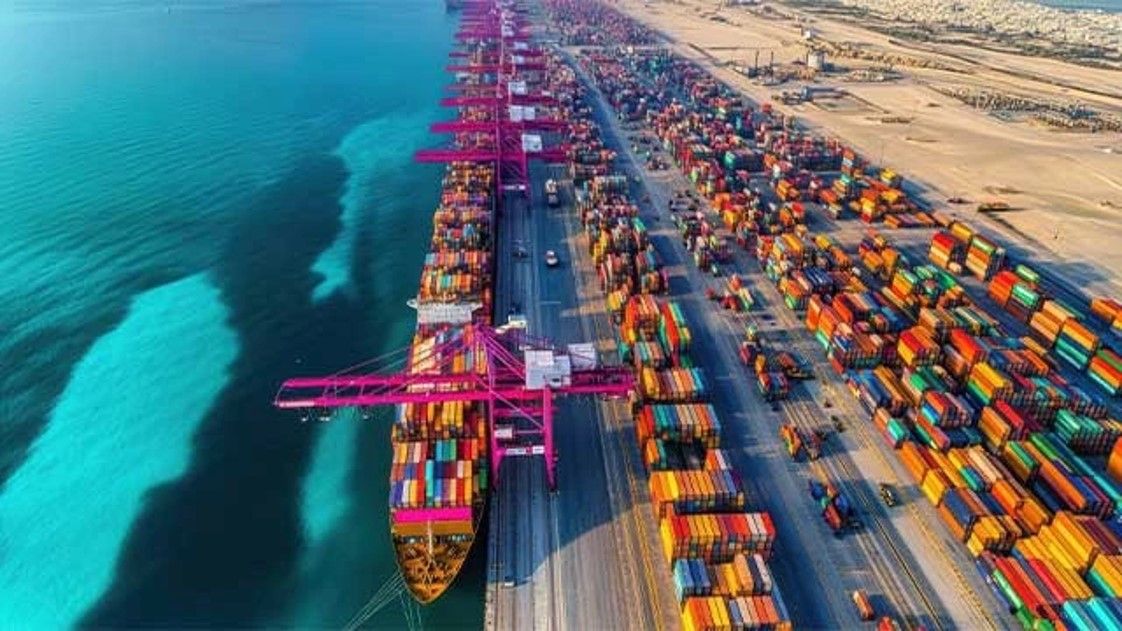
Although spot rates have surged sharply in recent weeks, the increase is not driven by strong consumer demand. Instead, it stems from supply-side disruptions and carriers’ intentional capacity management. Demand remains stagnant, yet the market is behaving as though we’re experiencing a boom. In truth, there’s no cause for alarm in a market that is overreacting.
Key Drivers of Volatility
- Artificial Capacity Cuts Carriers are aggressively deploying “blank sailings”—canceling scheduled voyages to restrict available space. This manufactured scarcity is pushing prices upward despite sluggish cargo growth.
- Geopolitical Rerouting Ongoing tensions in the Red Sea and Iran have forced vessels to reroute around the Cape of Good Hope. These longer transit times soak up vessel capacity and tighten the global network.
- Structural Oversupply Despite the appearance of a tight market, the industry faces significant vessel overcapacity. New mega-ships continue to enter service at a pace far exceeding global trade demand.
- Cost Inflation Rising fuel costs and emergency bunker surcharges are driving pricing pressure. Carriers are successfully passing these costs onto shippers, even though order volumes remain flat.
- Hormuz Risk Vessel transits through the Strait of Hormuz have collapsed to less than one ship per day, down from 15. Even if a peace deal is reached, normal operations are unlikely to resume quickly.
Trade Environment
- China Manufacturing Large enterprises show slight expansion, but small and medium enterprises have slipped below the 50.0% threshold. China’s PMI has softened to 50.0%, reflecting weaker new orders. Inflationary pressure is evident, with the Monthly Purchase Price Index rising to 60.5. Current market strength is driven by supply-side disruptions rather than organic demand.
- Price Fixing Allegations The U.S. Department of Justice has accused six Chinese container manufacturers of price-fixing between 2019 and 2024. Despite this, container production hit record highs in 2024, largely to support rerouting around the Red Sea.
Geopolitical Implications
- Reopening Conditions Security guarantees, insurance arrangements, and military coordination to clear naval mines are prerequisites before Hormuz operations can be restored.
- Regional Tensions While optimism exists for an interim peace deal, U.S.–Iran relations remain strained. Iran continues to demand the unfreezing of funds and strict enforcement of waterway regulations.
Steamship Line Affairs
- Trade Imbalances Roughly one in three containers is currently moving empty, representing 30% of global TEU-miles. These repositioning costs are being passed directly to shippers.
- Security Risks A recent attack on the MSC Sariska V off the coast of Iraq highlights that risks are spreading beyond the Strait of Hormuz.
- Leadership Changes ZIM has announced Chen Lichtenstein will assume the role of CEO on July 1st, as the company navigates a proposed $4.2 billion acquisition by Hapag-Lloyd and FIMI.
Conclusion
The current freight market is being shaped by impaired networks, restricted space approvals, and geopolitical disruptions, not by a healthy, demand-led upswing. Shippers should remain cautious, recognizing that today’s elevated rates are the product of artificial constraints rather than organic growth.