
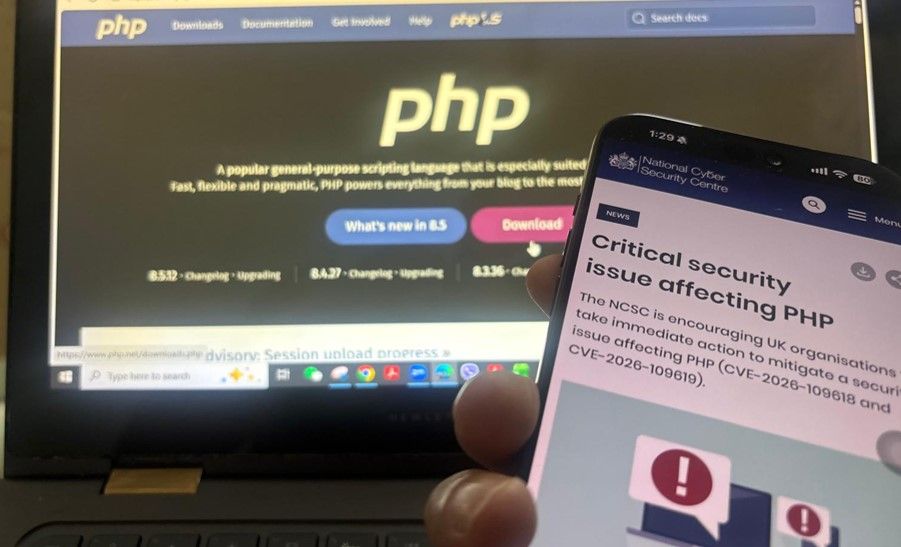
Recent reports of critical security vulnerabilities affecting PHP have attracted global attention across the technology and business communities. While PHP may not be a familiar term to most logistics and supply chain professionals, it is one of the most widely used programming languages for web applications and powers a significant portion of websites and online platforms worldwide.
For logistics providers, freight forwarders, customs brokers, warehouse operators, and importers/exporters, understanding the potential impact of such vulnerabilities is important for maintaining operational resilience and managing risk.
What Is the PHP Security Issue?
PHP is a server-side programming language commonly used to build websites, customer portals, business applications, and e-commerce systems.
When serious vulnerabilities are discovered in widely adopted technologies such as PHP, organizations around the world must quickly assess whether their systems are affected, apply security patches, strengthen monitoring, and review potential exposure.
These incidents serve as a reminder that cybersecurity threats continue to evolve, and even mature technologies can become targets for attackers.
Why Should Logistics Companies Care?
Today's supply chains depend not only on the physical movement of goods but also on digital platforms that support operational execution and visibility. Many logistics-related solutions rely on web technologies, including:
- Customer portals
- Shipment tracking systems
- Warehouse management dashboards
- Supplier collaboration platforms
- Customs documentation systems
- Freight forwarding platforms
- ERP web interfaces
A security vulnerability affecting any of these systems may lead to operational disruption, reduced visibility, or increased cybersecurity risks.
Potential Impact on Supply Chain Operations
1. Customer and Supplier Portal Disruptions
Many logistics providers offer online portals that allow customers and business partners to submit orders, retrieve documents, and monitor shipments. If these systems require emergency maintenance or are temporarily taken offline for security reasons, organizations may experience:
- Delays in order processing
- Reduced shipment visibility
- Slower communication between stakeholders
- Increased customer support inquiries
2. Reduced Warehouse Visibility
Warehouse operations increasingly depend on digital dashboards and web-based management tools. Potential impacts include:
- Delayed inventory visibility
- Slower order fulfillment processes
- Temporary reporting disruptions
- Reduced operational efficiency
Although physical operations may continue, decision-making can become more difficult when visibility is compromised.
3. Shipment Tracking Challenges
Real-time visibility has become a standard expectation in modern supply chains. If tracking platforms are affected, businesses may encounter:
- Delayed status updates
- Reduced customer confidence
- Increased customer service workload
- Difficulty monitoring exceptions and delays
4. Customs and Trade Documentation Delays
Cross-border trade relies heavily on digital workflows. Disruptions to trade and customs-related systems may result in:
- Delays in document submission
- Slower customs clearance
- Increased administrative effort
- Potential cargo delays
5. Cybersecurity and Data Protection Risks
The greatest concern is often not system downtime itself, but the possibility of unauthorized access. If a vulnerability is successfully exploited, attackers may gain access to:
- Customer information
- Shipment data
- Commercial documents
- Supplier records
- Internal business systems
In extreme cases, vulnerabilities can become an entry point for ransomware attacks or broader cybersecurity incidents.
What Organizations Should Do
Supply chain organizations should work proactively with their internal IT teams and technology providers to strengthen their security posture. Recommended actions include:
- Identify Exposure: Review internally developed and third-party applications to determine whether vulnerable components are being used.
- Apply Security Updates: : Insure that all systems and software dependencies are regularly updated and patched.
- Strengthen Monitoring: Implement continuous monitoring to detect unusual activities and potential intrusion attempts.
- Review Business Continuity Plans: Maintain operational contingency procedures to minimize disruption if systems become unavailable.
- Assess Third-Party Risks: Verify that software vendors, logistics technology partners, and service providers follow appropriate security practices and respond promptly to vulnerabilities.
HAKOVO's Perspective
Recent events surrounding PHP vulnerabilities highlight an important reality: cybersecurity is not a one-time project. It is an ongoing process that requires continuous vigilance, investment, and improvement.
It is important to note that HAKOVO does not utilize PHP as the technology stack for our platform. Therefore, the vulnerabilities currently being discussed in relation to PHP do not directly impact HAKOVO's platform. However, we believe the broader lesson extends beyond any single programming language or technology.
In general, no one in the world can guarantee that a system is completely immune from attack. Security risks can originate from many different areas, including the technologies used to build a platform, the server infrastructure that hosts it, third-party services, operational processes, or even flaws in business logic.
What we can assure our customers is not that our platform will never be attacked.
What we can assure our customers is that security is a fundamental priority at HAKOVO. We are committed to applying sound engineering practices, maintaining secure infrastructure, implementing appropriate controls, continuously monitoring our environment, and responding quickly to emerging threats.
Our goal is to minimize risk as much as reasonably possible through disciplined engineering, operational excellence, and continuous improvement.
For the logistics and supply chain industry, where operational continuity and trust are critical, we believe that transparency, resilience, and a strong security culture are just as important as innovative features.