Haze Is More Than an Environmental Issue
Transboundary haze has returned as an operational concern for businesses across Southeast Asia.
On 10 October 2026, Singapore’s National Environment Agency reported moderate transboundary smoke haze over parts of Peninsular Malaysia, Singapore, Kalimantan, Sarawak and southern Sumatra. Air-quality stations across parts of the region were reporting levels ranging from unhealthy to hazardous.
For supply chain and logistics teams, the immediate concern is not necessarily a complete shutdown of ports, airports or warehouses. The more realistic risk is a gradual decline in operational efficiency caused by poorer visibility, restrictions on outdoor work, employee health concerns and longer processing times.
These pressures can accumulate across the supply chain, particularly when businesses operate with limited inventory buffers or depend on tightly scheduled regional transport connections.
How Haze Can Affect Supply Chains
1. Maritime operations
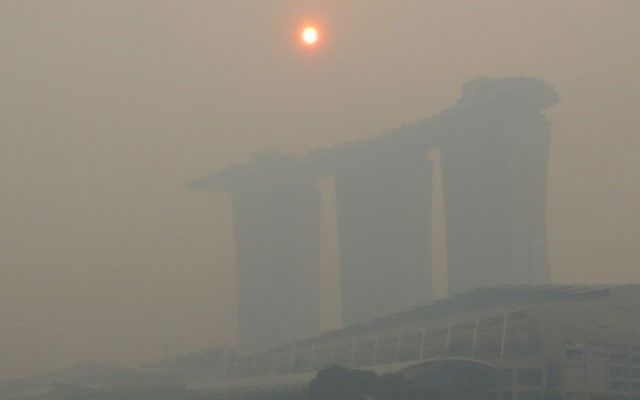
Severe haze can reduce visibility in the Singapore Strait and port waters. Ships may need to navigate more cautiously, while authorities may restrict certain harbour movements when conditions require it.
Possible effects include slower vessel movements, longer waiting times and missed feeder or transshipment connections. The actual impact will depend on visibility, official instructions and the duration of the haze.
2. Outdoor logistics operations
Warehousing and transportation involve outdoor activities such as container handling, cargo loading, yard operations and last-mile delivery.
During periods of unhealthy air quality, employers may rotate workers, schedule more indoor breaks or postpone non-essential tasks. These precautions can reduce loading capacity, delivery availability and daily throughput, even when facilities remain open.
3. Employee health and availability
PM2.5 exposure is an important concern for drivers, port workers, warehouse teams and delivery riders who spend long periods outdoors.
Businesses may experience higher absenteeism, more frequent rest periods, reduced overtime availability and temporary reassignment of vulnerable employees. Employers should assess workplace risks and introduce flexible arrangements where appropriate.
Which Supply Chains Face the Greatest Exposure?
The level of risk depends on the location of suppliers, facilities and transportation routes. The most exposed sectors include:
- Time-sensitive cargo: Pharmaceuticals, fresh food, urgent spare parts and critical manufacturing components have limited tolerance for delays.
- Just-in-time manufacturing: Late inbound components can interrupt production when manufacturers hold minimal safety stock.
- E-commerce and last-mile delivery: Reduced outdoor working hours can lower delivery capacity.
- Agriculture and resource-based industries: Plantations, forestry operations and rural production areas may face environmental and workforce challenges.
- Marine support services: Harbour craft, ship chandlers, marine technicians and terminal teams may be affected by poor visibility and outdoor-work precautions.
- The Hidden Risk: Cascading Disruption
A small delay can spread across the supply chain. Slower cargo handling at an Indonesian supplier may cause a truck to miss its port arrival window. The shipment could then miss its scheduled vessel and its Singapore transshipment connection.
This is why haze should be treated as a regional, end-to-end risk. The greatest exposure often lies in the connections between suppliers, transport providers, ports, warehouses and customers.
What Businesses Should Do
- Review supplier and route exposure: Identify suppliers, warehouses and transport routes in locations affected by fires, dense haze or unhealthy air quality.
- Prioritise critical shipments: Closely monitor perishables, urgent production components and customer-critical orders.
- Confirm contingency plans: Check with logistics providers about current capacity, alternative routes, cargo cut-off times and escalation contacts.
- Maintain realistic inventory buffers: Consider temporary safety stock for essential materials based on actual demand, lead times and storage costs.
- Protect outdoor employees: Monitor official air-quality advisories and review work rotation, rest periods, hydration, mask availability and support for vulnerable employees.
- Communicate early: Inform customers and suppliers about potential delays before they become critical. Early notice gives stakeholders more time to adjust receiving schedules, production plans and inventory allocation.