


Current ocean freight container matching platforms face a critical challenge: reconciling real-time digital algorithmic matching with highly volatile, unpredictable physical disruptions across global supply chains. Unlike domestic over-the-road trucking platforms, ocean freight matching must navigate structural bottlenecks, compliance layers, and severe asset imbalances making standard marketplace models insufficient.
Key Challenges
Structural Dynamic Routing vs. Simple Spot Matching
- Multi-tiered variables: Matching requires simultaneous alignment of a container, an available chassis, truck driver capacity, a vessel slot, and a port appointment window.
- The optimization paradox: Marketplaces act as two-sided matchmakers, but ocean freight demands complex, dynamic routing of vehicles and equipment at a global scale.
Physical Equipment Imbalances & Repositioning Realities
- Geographic asymmetry: Massive trade imbalances (e.g., Asia–Europe or Transpacific routes) create “container deserts” in some regions and surpluses in others.
- Repositioning bottleneck: Platforms struggle to incentivize carriers to return empty containers to high-demand export hubs without imposing excessive costs on shippers.
Geopolitical and Schedule Collapse Vulnerability
- Obsolete fixed quotes: Disruptions force carriers to bypass standard routes (e.g., avoiding the Red Sea/Suez Canal by rounding the Cape of Good Hope).
- Contract friction: Fixed pricing algorithms collapse during crises, causing extreme spot rate volatility and “ghost bookings” where matched space disappears.
Fragmented Technology Ecosystems & Lack of API Standards
- System siloing: Carriers, port terminals, customs authorities, and forwarders rarely operate on unified standards.
- Manual detective work: When APIs fail, operators must manually verify vessel milestones and container ETAs across disparate systems.
Stringent Environmental Regulations & Scope 3 Compliance
- Strict emission caps: Platforms must integrate data for complex rules like the EU ETS and FuelEU Maritime.
- Carbon-optimized matching: Shippers increasingly demand algorithms that minimize carbon footprints, complicating speed-and-cost optimization.
Escalating Freight Fraud and Cybersecurity Threats
- Trust breakdown: Digital adoption has led to rising identity theft, spoofed documents, and freight-redirection fraud.
- Security overhead: Platforms must invest in biometric vetting, blockchain-verified bills of lading, and robust cloud defenses.
Benchmarking vs. Booking
In today’s market, many cargo owners use ocean freight matching platforms primarily as benchmarking tools rather than transactional channels.
Why Cargo Owners Benchmark Instead of Booking
- Price transparency: Platforms provide visibility into spot rates and market trends, helping shippers negotiate.
- Trust & reliability concerns: Bookings often fail due to ghost space, sudden schedule changes, or lack of guaranteed equipment.
- Complex requirements: Ocean freight involves multiple dependencies, making instant booking less reliable than trucking marketplaces.
- Established relationships: Large shippers rely on long-term contracts and trusted forwarders, using platforms mainly to validate competitiveness.
Current Market Situation
- Platforms = benchmarking tools for rate discovery and comparison.
- Execution gap: Actual procurement still happens through traditional channels.
- Exceptions: Smaller shippers or spot-market users occasionally book directly, but they remain a minority.
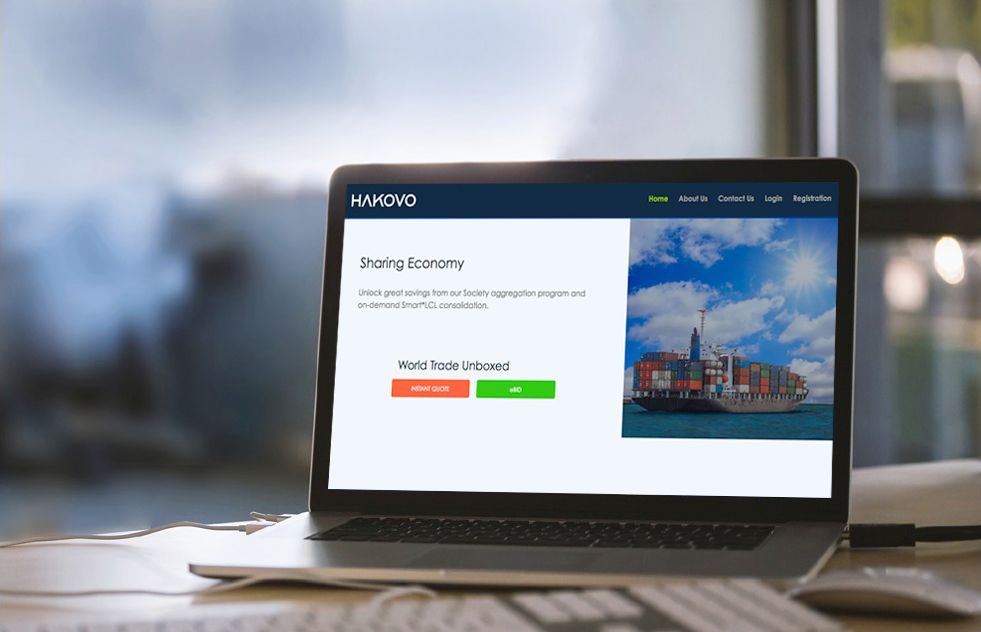
By the way, HAKOVO was founded in 2016, Singapore and initially launched as a marketplace for ocean freight, operating a container matching platform. However, HAKOVO discovered that the true bottlenecks of customer challenges lay elsewhere. As a result, it pivoted its business model and shifted its focus toward digital customs solutions. Today, HAKOVO operates an AI-driven digital customs platform.