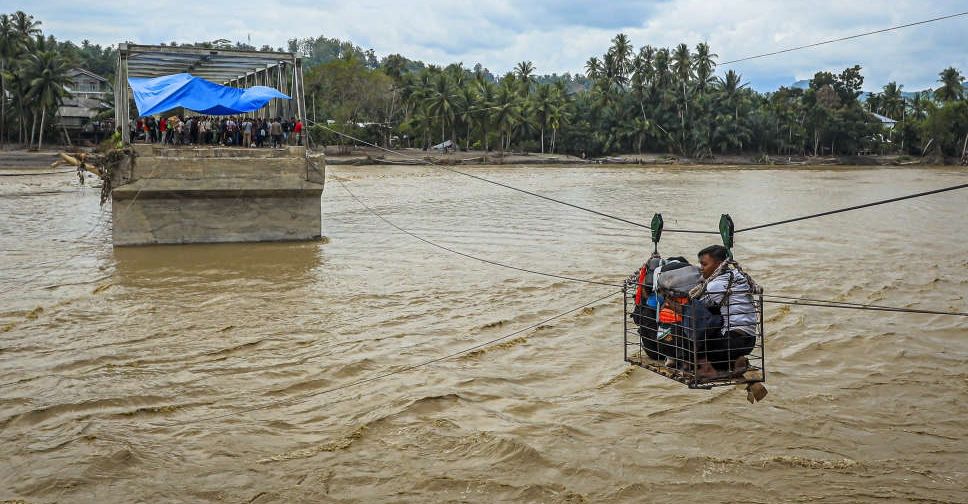
The recent floods in Indonesia have severely disrupted supply chains, cutting off access to food, fuel, electricity, and communications. The government has deployed military aircraft, ships, and helicopters to deliver aid, while state-owned companies race to restore power, telecoms, and transport links. Global supply chains are also feeling the shock, with manufacturing and exports delayed across Southeast Asia.
Background of the Floods
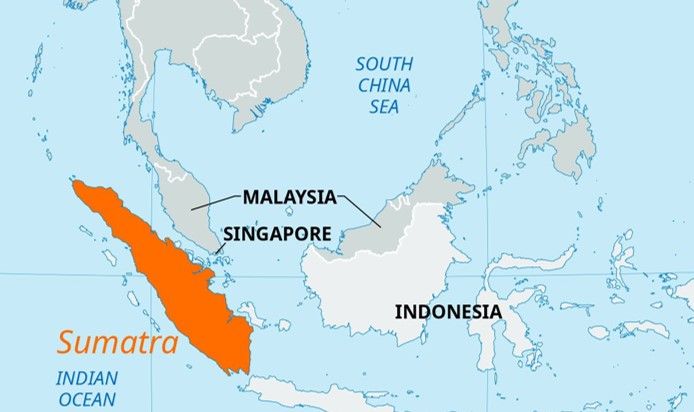
In late November and early December 2025, Indonesia was hit by torrential rains, cyclones, and landslides, causing widespread flooding across Sumatra, Aceh, and other regions. The disaster is linked not only to extreme weather but also to corporate canal construction draining peatlands, which weakened natural flood defenses.
Supply Chain Disruptions
Food & Medicine: Over 500,000 tons of aid (staple food, ready-to-eat meals, medicines, tents, blankets) have been distributed, but isolated areas remain difficult to reach.
Transport & Logistics:
- Roads and bridges collapsed, cutting off access to regions like Aceh Tamiang and Langsa.
- The government deployed A400 military transport aircraft, CN-295 planes, and more than 50 helicopters for air-drops.
- TNI ships are being used to deliver supplies via sea routes.
Energy & Fuel:
- State-owned electricity company PLN accelerated repairs of transmission towers, reducing repair times from 5–6 days to 2–3 days.
- Full restoration is targeted by December 5, 2025, especially in Arun–Bireuen and Tarutung–Sibolga.
- Pertamina continues fuel delivery by land, supported by multiple agencies.
Telecommunications:
- Telkom deployed 2,498 personnel to restore services across Sumatra.
Global Supply Chain Impact
The floods are part of a broader Asian flood crisis that has caused $20 billion in losses and disrupted manufacturing and exports across Southeast Asia. Indonesia’s role as a hub for palm oil, coal, textiles, and electronics means delays ripple through international markets. Weak infrastructure and governance have slowed adaptation, exposing vulnerabilities in global supply chains.