


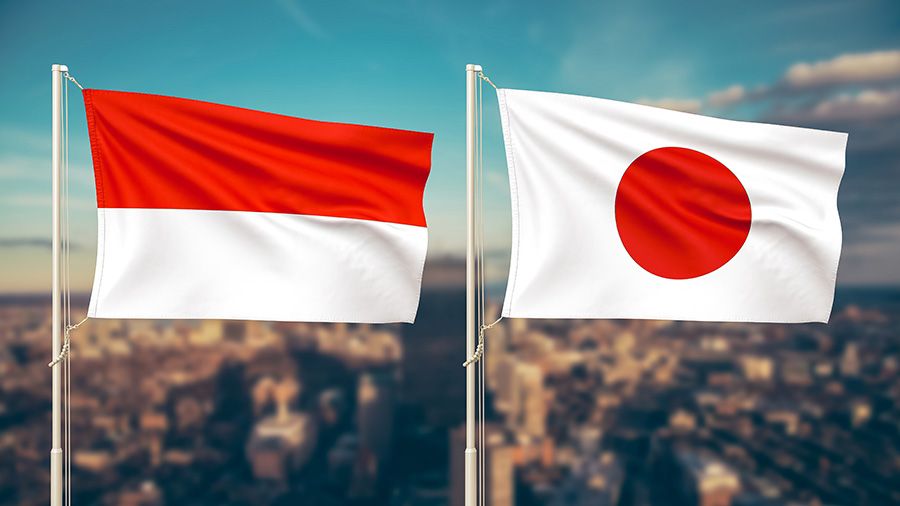
Indonesia and Japan are strengthening their collaboration to address global trade challenges through a multifaceted approach that emphasizes transparency, regulatory certainty, and market diversification.
Key Highlights of the Collaboration
- Commitment to Rules-Based Trade: At a recent meeting in Tokyo with the Japan-Indonesia Association (JAPINDA), Indonesian Deputy Minister of Trade Dyah Roro Esti reaffirmed Indonesia’s dedication to a rules-based global trade system. She emphasized the importance of constructive dialogue to overcome current trade obstacles.
- Policy Alignment and Simplification: Indonesia is working to simplify trade policies and align them with multilateral frameworks. This includes efforts to deepen foreign exchange reserves and promote market diversification.
- Private Sector Engagement: Indonesia is actively inviting Japanese businesses to collaborate, particularly in navigating post-pandemic economic uncertainties. JAPINDA, in turn, is supporting this through initiatives like seminars, publications, language courses, and reciprocal visits.
- Strategic Investment and Digitalization: The collaboration also opens doors for joint ventures in strategic sectors such as digital trade, green logistics, and infrastructure areas aligned with both countries’ economic and environmental goals.
This partnership reflects a broader trend of regional cooperation in Asia to build resilient, sustainable, and digitally enabled trade ecosystems.
How HAKOVO Can Contribute to the Japan–Indonesia Trade Initiative
1. Support for Rules-Based Trade
- HAKOVO’s AI-powered customs clearance platform (uCCH) enhances transparency and compliance with international trade regulations.
- By automating HS code classification and document validation, it reduces human error and ensures alignment with multilateral trade frameworks.
2. Policy Simplification and Digital Integration
- HAKOVO simplifies complex trade procedures through digital workflows, making it easier for SMEs and large enterprises to navigate cross-border trade.
- Its integration with ASEAN’s National Single Window (NSW) systems supports regional policy harmonization.
3. Empowering Private Sector Collaboration
- HAKOVO enables Japanese companies operating in Indonesia (e.g., in industrial parks like Delta Mas or KIIC) to adopt paperless, efficient logistics solutions.
- This helps them manage post-pandemic uncertainties with real-time visibility, cost savings, and operational resilience.
4. Strategic Investment in Green Logistics
- HAKOVO promotes carbon-conscious logistics by reducing paper usage, optimizing routes, and digitizing documentation.
- These efforts directly support Indonesia’s environmental goals and Japan’s push for green supply chain transformation.
5. Regional Ecosystem Building
- By connecting stakeholders across ASEAN and Japan, HAKOVO contributes to a digitally enabled trade ecosystem.
- Its scalable SaaS model allows rapid deployment across sectors—from manufacturing to maritime logistics.
Strategic Message for potential investors
“HAKOVO is not just a technology provider, it’s a strategic enabler of Japan–ASEAN cooperation. By delivering AI-driven, sustainable, and compliant trade infrastructure, HAKOVO helps realize the shared vision of a resilient and green digital economy.”