
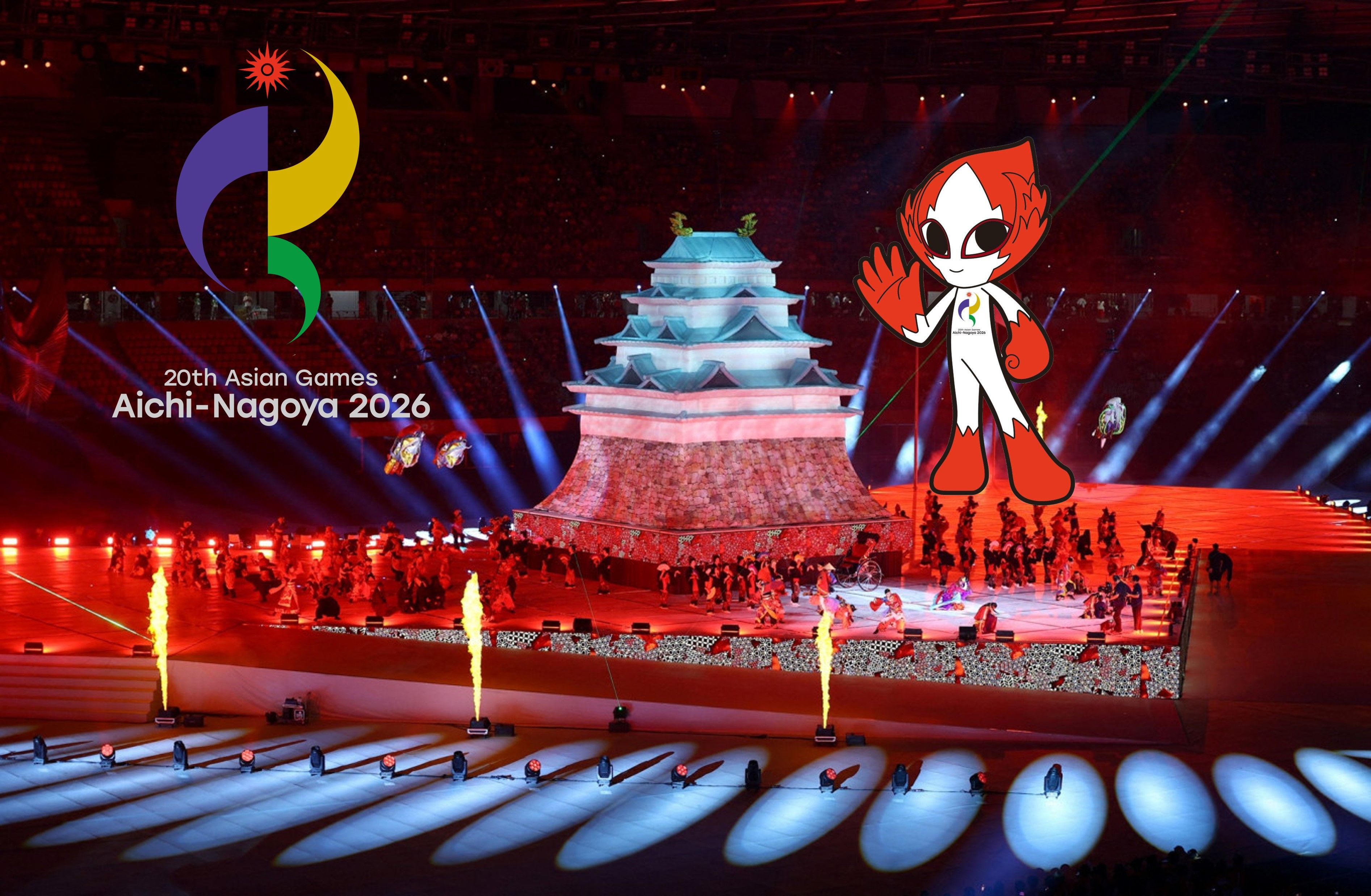
The 20th Asian Games opened in Nagoya on September 19, 2026, but the event’s build‑up highlighted several logistics and supply chain challenges that are increasingly common in large‑scale international events. These issues offer important lessons for governments, logistics operators, and digital supply‑chain platforms across Asia.
1. Accommodation Strategy Created Complex Transport Flows
Nagoya chose not to build a traditional Athletes’ Village, instead relying on existing hotels, a cruise ship, and temporary container‑style units . This cost‑saving approach became strained when the number of participants increased from the planned 15,000 to nearly 17,000 Current pageCurrent page. Organizers had originally planned accommodation for around 15,000 people, while the final number of athletes and officia....
This led to:
- Delays in room allocation
- Credential activation issues
- Long distances between accommodation and competition venues
From a logistics perspective, this created fragmented transport nodes, making shuttle planning, routing, and peak‑hour flow management significantly more complex.
2. Torrential Rain Disrupted Transport and Facilities
Just days before the opening ceremony, heavy rainfall caused transportation disruptions and even evacuations in parts of Nagoya . Some Games facilities also suffered water leaks, adding operational pressure on organizers Current pageCurrent page. Some Games facilities were affected by water leaks, adding another challenge for organizers shortly before the ceremony..
This highlights a growing regional challenge: climate‑driven disruptions to transport infrastructure, which can instantly affect event logistics, cargo movement, and last‑mile operations.
3. Demand Forecasting Fell Short
The unexpected increase in athletes and officials forced organizers to adjust accommodation, transport, and service capacity on short notice. This is a classic example of demand forecasting gaps a problem that affects not only mega‑events but also ports, industrial parks, and national supply chains.
4. Multi‑Node Operations Require Digital Coordination
With athletes spread across hotels, ships, and temporary units, the Games relied on a multi‑hub logistics model. Without a centralized digital coordination platform, such models often face:
- Slow credential processing
- Inconsistent service delivery
- Inefficient routing
- Higher operational risk
These issues mirror the challenges seen in fragmented port‑to‑inland logistics networks across Asia.
Why This Matters for Asia’s Supply Chain Future
The Nagoya Asian Games serve as a real‑world case study of how logistics complexity, climate risk, and fragmented infrastructure can disrupt even well‑planned operations.
As HAKOVO is digital logistics platforms, we explore the event underscores the need for:
- AI‑driven demand forecasting
- Real‑time transport visibility
- Multi‑node coordination systems
- Resilience planning for climate disruptions
- Integrated credential and identity management
Mega‑events often expose weaknesses that already exist in everyday supply chains. Nagoya’s experience shows that Asia needs smarter, more connected logistics ecosystems whether for ports, industrial zones, or international events.
The Asian Games hold a special place in HAKOVO’s history. During the 2018 Asian Games in Jakarta–Palembang, HAKOVO formally expressed its intention to participate as a digital logistics platform provider, engaging closely with government stakeholders throughout the evaluation process. HAKOVO proposal a fully digitalized operational visibility model designed to streamline the import and re‑export of event‑related equipment brought in from across Asia advanced to the final round of selection.
Although we were ultimately unable to win a final bid due to various circumstances, the experience was extremely valuable for our company. It strengthened our understanding of large‑scale event logistics and reinforced our mission to digitalize and optimize cross‑border supply chains.