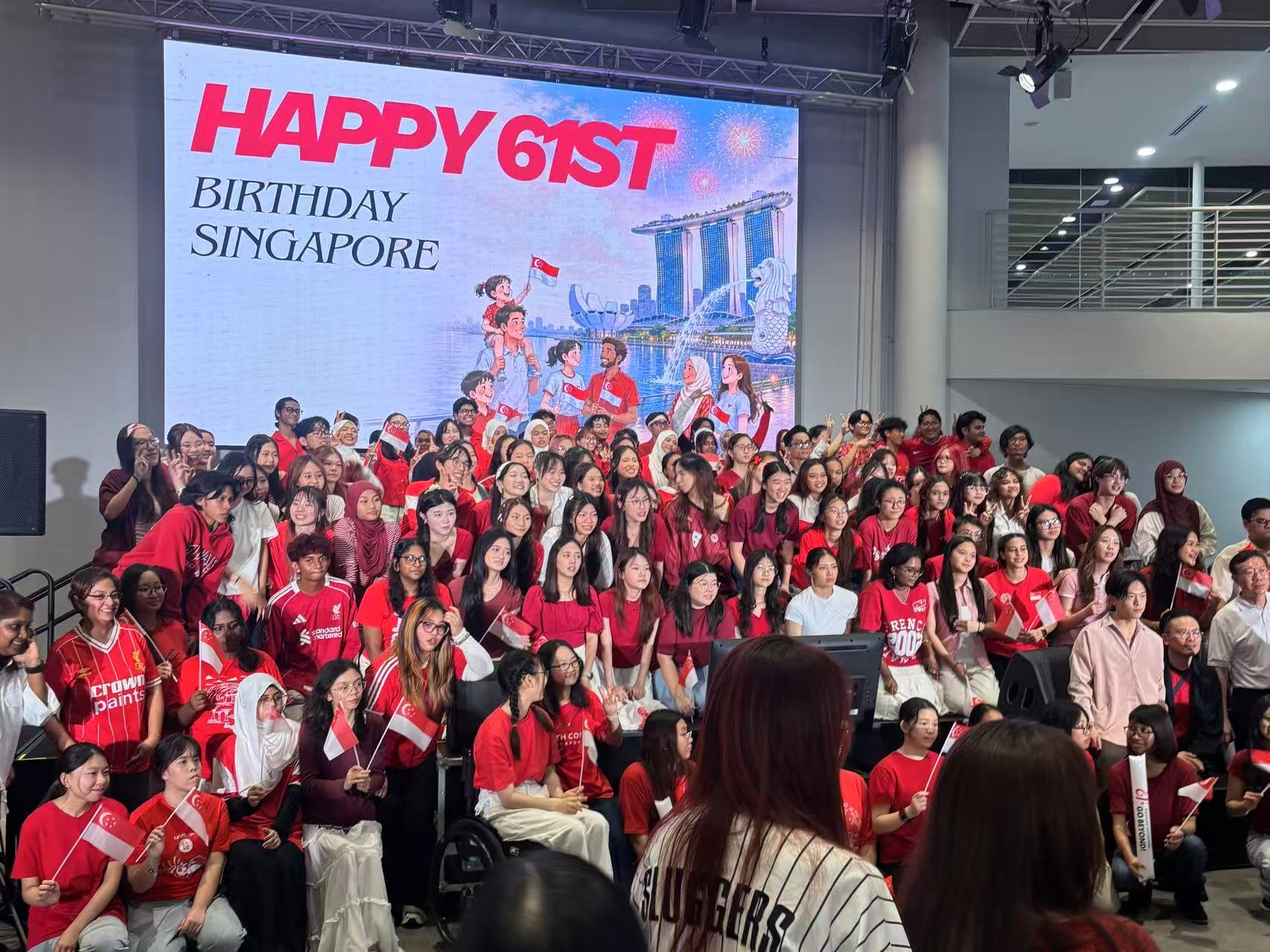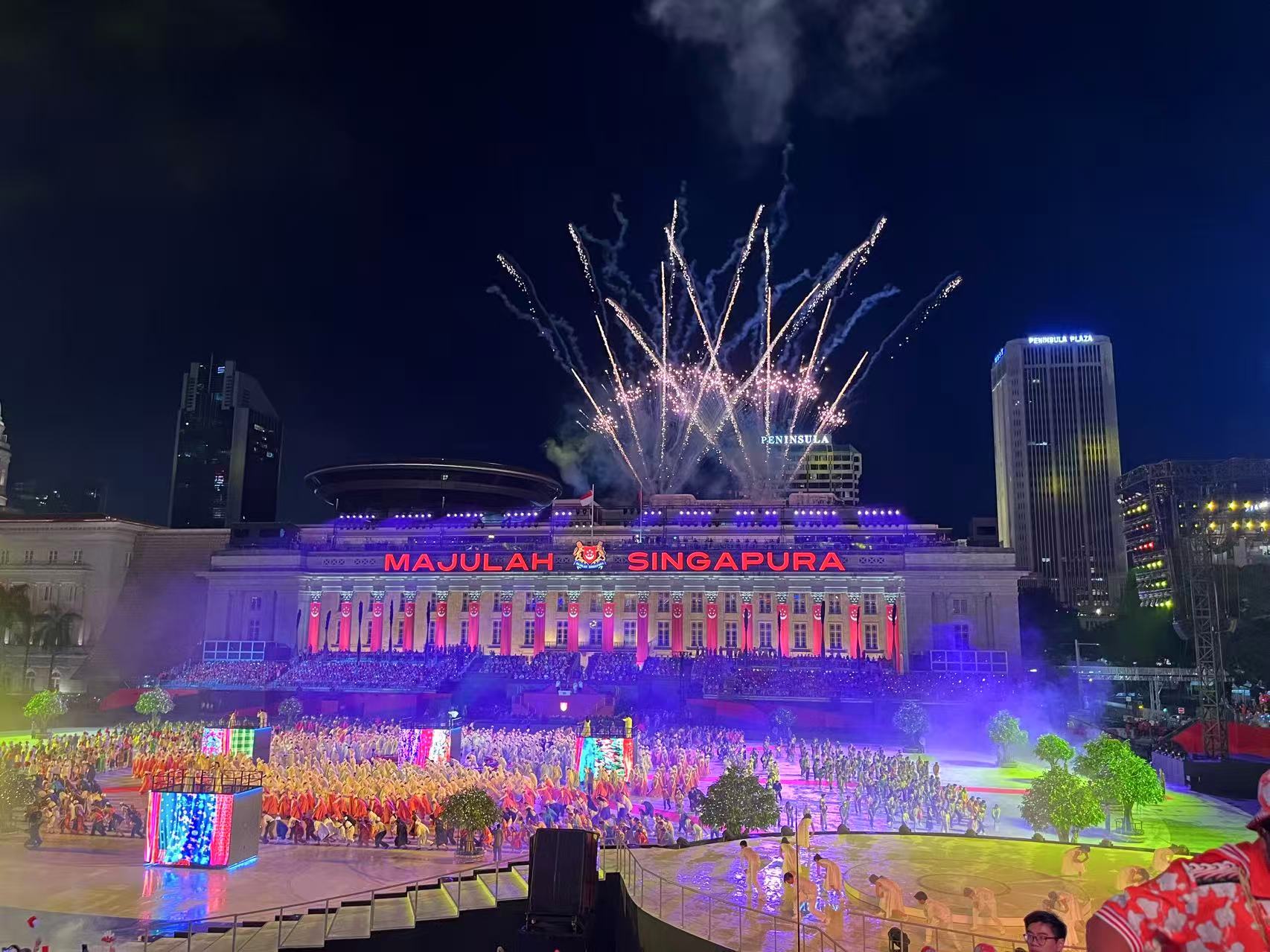
Singapore celebrated its 61st National Day (SG61) on August 9 at the National Stadium, with festivities continuing across the nation throughout August. The atmosphere was electric, filled with pride, respect, and loyalty as citizens came together to honor their country.
At the same time, the celebrations highlighted Singapore’s focus on supply chain resilience as a cornerstone of its continued economic survival. As a highly import-dependent island nation, Singapore actively addresses global logistics uncertainties by expanding port and airport capacities and attracting global logistics leaders such as Maersk’s distribution hubs to safeguard essential trade flows.
The connection between Singapore’s independence, national progress, and supply chains is deeply rooted:
- Strategic Vulnerability: With limited natural resources, ensuring uninterrupted access to food, medical supplies, and raw materials is a matter of national survival.
- Global Hub Strategy: To avoid being bypassed, Singapore continuously strengthens its world-class port infrastructure and connectivity, serving as a critical consolidation and distribution hub for Southeast Asia.
- Diversification and Agility: The government collaborates with supply chain stakeholders to diversify sourcing routes and promote digital innovation such as AI in logistics to mitigate the impact of global trade conflicts and external inflation.
- Corporate Participation: Major logistics and manufacturing employers, including Micron and QVL, align their local growth with the nation’s broader Majulah Singapura (“Onward Singapore”) vision of securing regional trade.
Singapore’s Next 5 Years (2026–2031)
Over the next five years, Singapore aims to sharpen its global competitiveness, become a leader in AI-driven innovation, and strengthen resilience against geopolitical and supply chain shocks. The government’s Economic Strategy Review (ESR) outlines eight thrusts to secure growth, create good jobs, and ensure adaptability in a rapidly changing world.
Global Leadership & Innovation
- AI-powered economy: Singapore plans to position itself as a global leader in AI solutions, embedding AI into logistics, healthcare, finance, and manufacturing.
- Bold bets on future industries: Investments will target green technologies, biotech, and advanced manufacturing, ensuring Singapore remains ahead of regional competitors.
Strengthening Hub Status
- Connected & trusted hub: Expansion of port and airport infrastructure will reinforce Singapore’s role as Southeast Asia’s logistics and financial nerve center.
- Digital trade corridors: Enhanced cross-border digital platforms will streamline customs, payments, and supply chain transparency.
Workforce Transformation
- More diverse jobs: New opportunities in AI, sustainability, and healthcare will broaden career options.
- Career transitions support: A stronger system for retraining and job-matching (“career bridges”) will help workers adapt to disruptions.
- Lifelong learning: SkillsFuture programs will expand, making modular, work-relevant courses more accessible.
Economic Resilience
- Strategic buffers: Singapore will build reserves in food, energy, and medical supplies to withstand global shocks.
- Diversification: Supply chains will be diversified to reduce reliance on single sources, especially in critical imports.
- Agility & adaptability: Institutions and firms will be encouraged to move faster, take calculated risks, and innovate
Risks & Challenges
- Geopolitical tensions: Rising US-China competition may disrupt trade flows.
- Demographic shifts: Slower workforce growth and aging population could strain productivity.
- Climate transition: Moving to a low-carbon economy will require costly restructuring.
Outlook
By 2031, Singapore envisions itself as:
- An AI-empowered economy with global leadership in digital innovation.
- A resilient hub for trade, finance, and logistics in Southeast Asia.
- A society of lifelong learners, where workers adapt seamlessly to new industries.
- A diversified economy that balances efficiency with resilience against external shocks.