
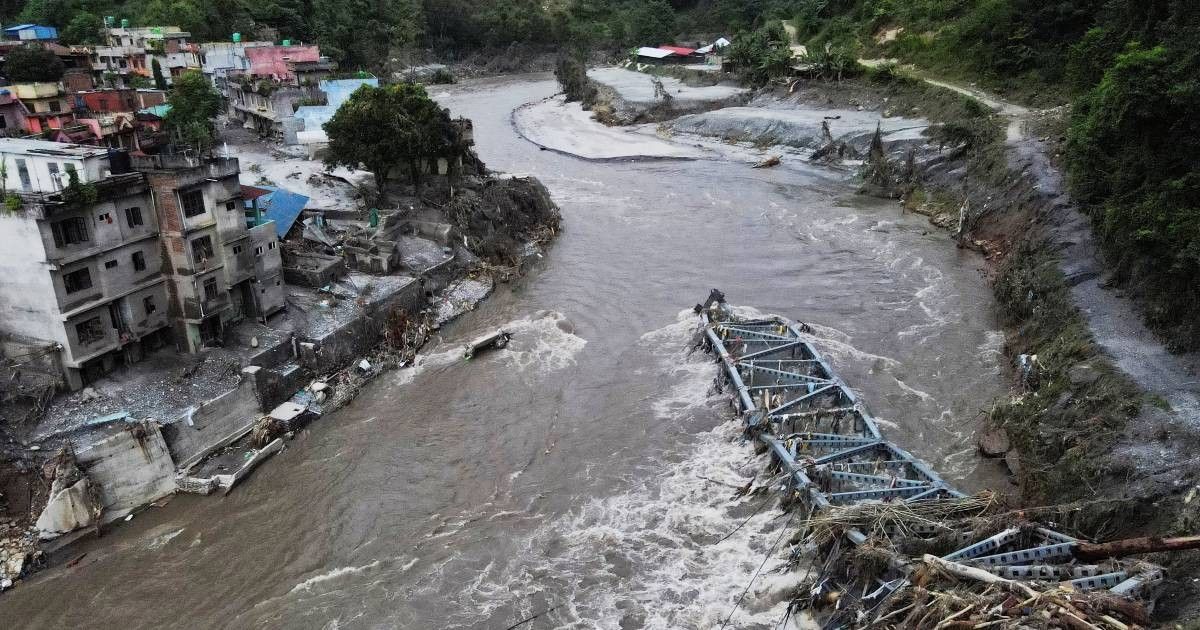
Nepal’s recent floods have had major, multi‑layered impacts on the country’s supply chain, especially across energy, cross‑border trade, transportation, and EV imports. Here’s a clear, structured summary based on the latest verified reports:
1. Energy Supply Chain Severely Disrupted
Floods caused extensive damage to Nepal’s hydropower infrastructure:
- 14 major hydropower projects in the Bhotekoshi and Trishuli regions were severely damaged, including the 216 MW Upper Trishuli‑1 project .
- Another report confirms 12 hydropower plants destroyed or damaged, removing 430 MW from the national grid .
- Damage to tunnels, underground powerhouses, and transmission lines has created long repair timelines and major operational risks.
- This directly affects power supply stability, cross‑border energy agreements, and industrial operations.
Supply chain impact: Energy shortages and unstable power supply disrupt manufacturing, cold storage, logistics hubs, and digital infrastructure.
2. Cross‑Border Trade With China Nearly Collapsed
The floods destroyed Nepal’s primary China-facing trade corridor:
- The Rasuwagadhi border point a critical customs and logistics hub was largely destroyed, including the customs yard and the Friendship Bridge .
- Hundreds of cargo trucks and containers carrying goods for Nepal’s major festival season were swept away.
- Trade through Rasuwagadhi collapsed by 95%, causing NPR 893 million (~USD 6.6M) in lost government revenue from EV imports alone .
Supply chain impact: Massive delays and shortages in consumer goods, electronics, apparel, food items, and automotive imports.
3. Transportation Network Breakdown
Floods and landslides destroyed key infrastructure:
- 19–35 concrete bridges and dozens of suspension bridges were wiped out.
- Around 40 km of roads, including the vital Betrawati–Rasuwagadhi stretch, were washed away .
- Landslides also halted transit through the Tatopani border point.
Supply chain impact: Movement of goods, rescue equipment, and heavy machinery is severely restricted, increasing logistics costs and delays.
4. EV Import Supply Chain Severely Hit
Nepal is one of the world’s fastest-growing EV markets (76% of new cars sold are electric):
- The flood destroyed the corridor used for EV imports from China.
- Newly imported EVs parked at the customs yard were swept away.
- EV import revenue losses reached NPR 893 million in six months .
Supply chain impact: Dealers face inventory shortages, financial losses, and long-term disruption in EV availability.
5. Retail & Festival Season Shock
The disaster struck just before Nepal’s biggest shopping season (Teej, Dashain, Tihar, Chhath):
- Billions of rupees worth of goods clothes, footwear, electronics, foodwere lost.
- Traders who imported goods on credit now face severe financial pressure.
- Communication with drivers and customs staff has been disrupted; many are missing .
Supply chain impact: Retail shortages, price spikes, and liquidity stress for importers.