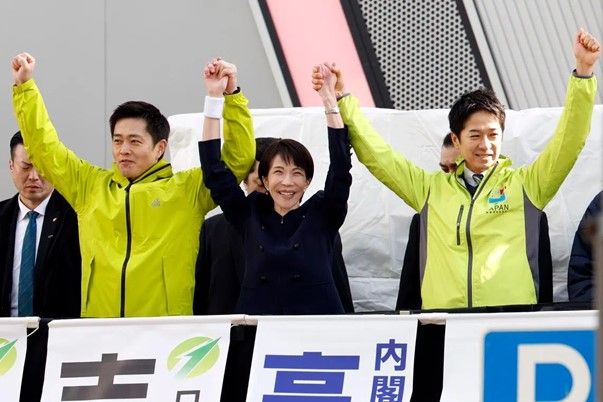
Japanese Prime Minister Sanae Takaichi secured a historic election triumph, positioning her as the nation’s strongest leader in the postwar era in an outcome that will embolden the premier.
Takaichi’s victory positions Japan to become a more influential player in global supply chains and AI innovation. Expect stronger trade facilitation, aggressive investment in advanced technologies, and ripple effects across Asia-Pacific and beyond.
Impact on Global Supply Chains
- Fiscal Expansion & Stimulus: Her supermajority gives her freedom to push large-scale spending programs. This could strengthen Japan’s logistics infrastructure, ports, and trade facilitation, reducing bottlenecks in Asia-Pacific supply chains.
- Currency & Market Volatility: The yen weakened after her win, which could make Japanese exports more competitive but also introduce volatility in global pricing for automotive, electronics, and machinery.
- Trade Policy Direction: With stronger political backing, Japan may accelerate free trade agreements (FTAs) and customs modernization, potentially reshaping supply chain flows across Asia and Europe.
Impact on AI & Technology
- Strategic Spending: Takaichi’s government is expected to channel funds into AI, semiconductors, quantum computing, and defense technologies. These sectors already saw stock surges, signaling investor confidence in Japan’s tech expansion.
- Boost to Innovation Ecosystem: Increased government support could make Japan a stronger hub for AI R&D, attracting global partnerships and talent.
- Competitive Pressure: Other economies (e.g., South Korea, Taiwan, US, EU) may respond with their own incentives to avoid losing ground in AI and advanced manufacturing.
Risks & Considerations
- Supply Chain Dependence: Heavy reliance on fiscal spending may create short-term boosts but risks long-term debt sustainability.
- Geopolitical Tensions: Expanded defense spending tied to AI and semiconductors could heighten competition with China, impacting regional supply chain stability.
- Market Sensitivity: Rapid policy shifts could unsettle global investors, affecting capital flows into AI and manufacturing sectors.
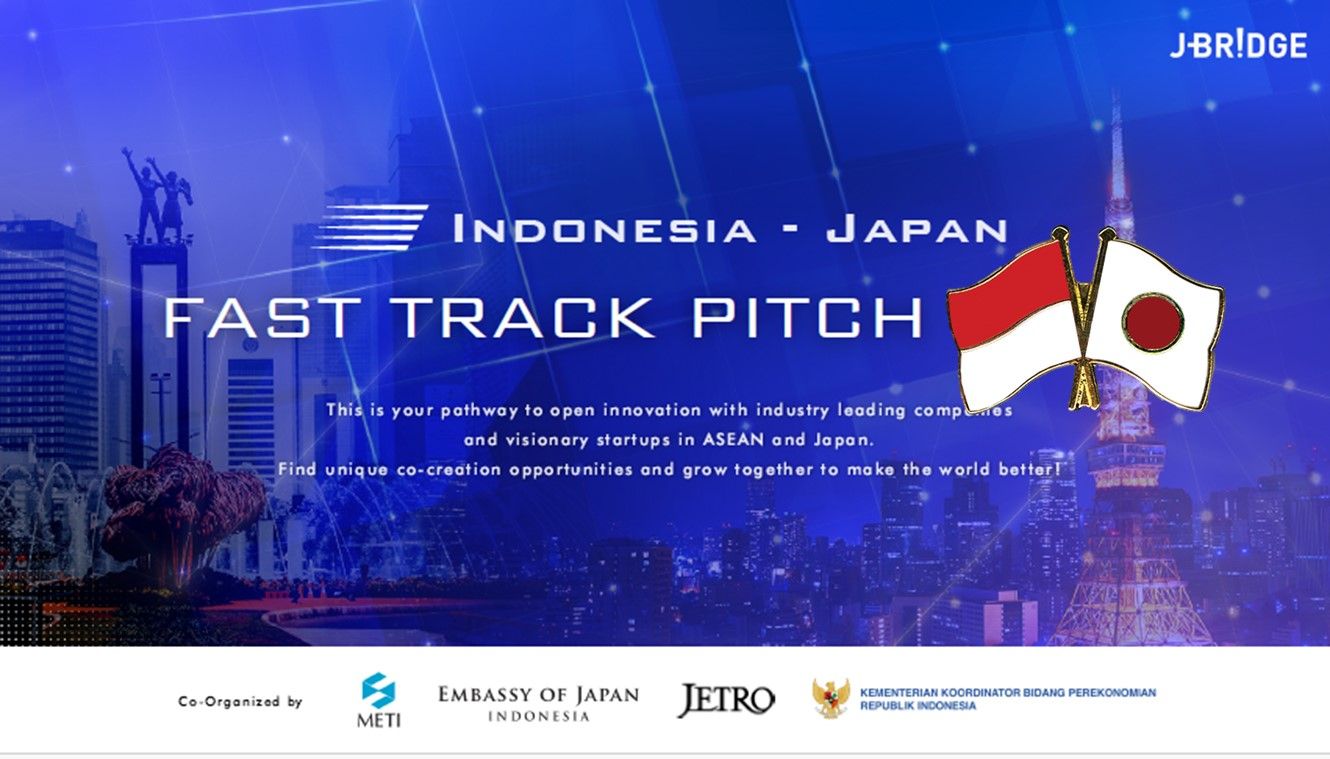
This week, on February 12, JETRO will host the Indonesia–Japan Fast Track Pitch Event in Jakarta. HAKOVO has made it to the final selection and is expected to leave a lasting impact.
To align, position JETRO’s ASEAN Fast Pitch as a regional innovation accelerator that directly supports Takaichi’s agenda on AI, supply chain resilience, and Japan’s leadership in Asia. The narrative should be: “ASEAN‑Japan co‑creation fuels Japan’s domestic innovation drive while strengthening regional supply chains."