


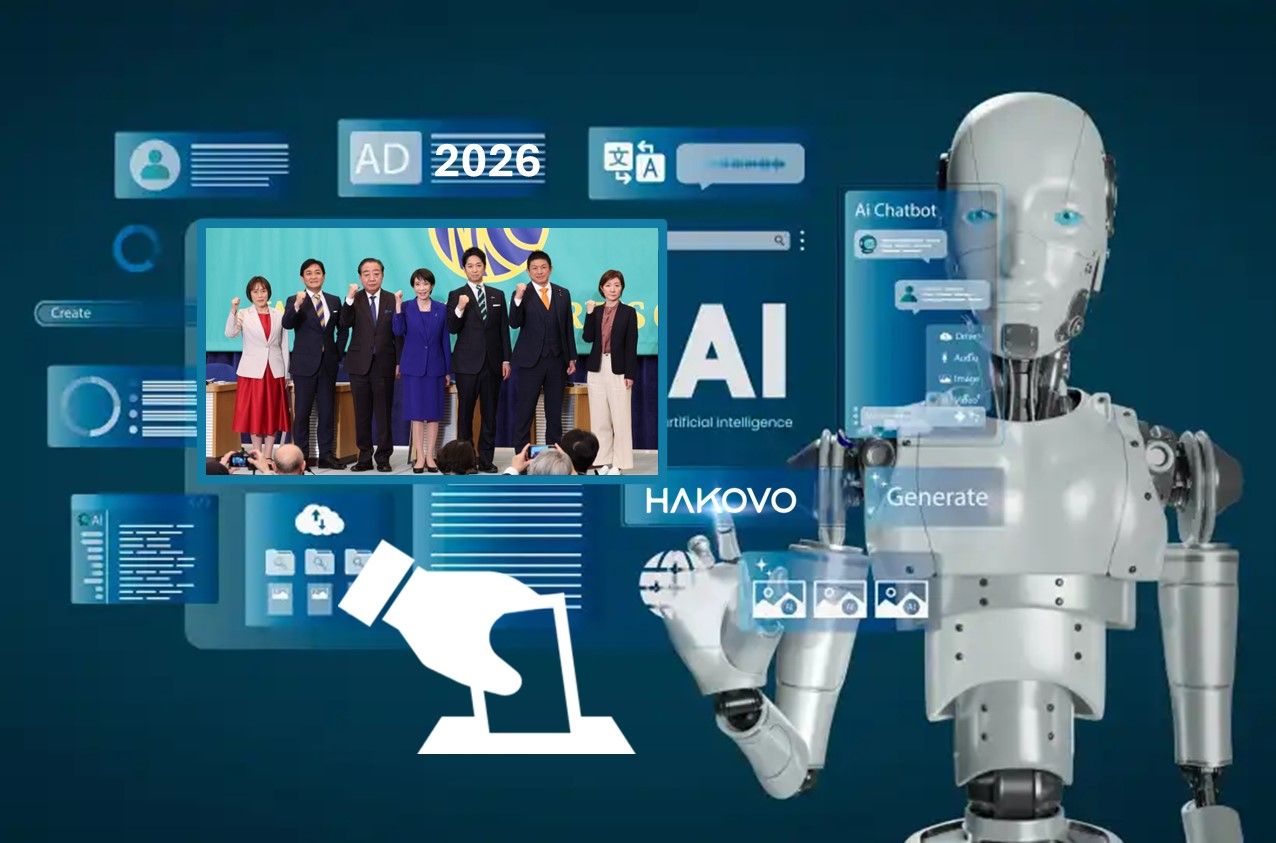
Dear citizens of Japan, are you ready to go to the polls? I have already cast my ballot through early voting, placing my hopes in the next administration.
The outcome of the 51st House of Representatives election on February 8 may bring changes to Japan’s supply chain, AI, and logistics policies. If the ruling party wins, the current course of digitalization and AI utilization will continue. If the opposition gains ground, there may be a shift toward stronger regulations and expanded support for small and medium-sized enterprises.
Impact on Supply Chains
If the ruling party wins
- Continuation of supply chain resilience measures under the Economic Security Promotion Act.
- Strengthened domestic production support for strategic materials such as semiconductors, batteries, and hydrogen.
- Expanded logistics cooperation in the Indo-Pacific region, particularly with ASEAN countries.
If the opposition gains ground
- Possible shift toward policies emphasizing SME support and environmental regulation.
- Moves to strengthen regulation and ensure transparency in sectors heavily dependent on imports.
Impact on the AI Industry
If the ruling party wins
- Continuation of the government-led “AI Strategy 2025.”
- Further promotion of AI utilization in logistics and manufacturing (demand forecasting, inventory management, delivery optimization).
- Expanded investment in AI research and development to enhance international competitiveness.
If the opposition gains ground
- Greater emphasis on personal data protection and labor market impacts, with potential tightening of AI regulations.
- A more cautious stance toward AI adoption in the public sector.
Impact on Logistics
If the ruling party wins
- Acceleration of next-generation logistics implementation, such as autonomous trucks and drone delivery.
- Continued investment in the digitalization of ports and airports.
- Strengthening of supply chain resilience as a central policy pillar.
If the opposition gains ground
- Priority on improving labor conditions (addressing long working hours and driver shortages).
- Stronger focus on reducing environmental impact and promoting green logistics policies.
Summary
- Ruling party victory → Continuation of digitalization, AI utilization, and international cooperation.
- Opposition gains → Shift toward regulation, SME support, and environmental priorities.
Japan’s AI Strategy 2025 aims to make the country “the most AI-friendly nation in the world,” promoting research and development investment, industrial applications, and governance as a comprehensive national strategy. Regardless of the election outcome, this strategy will continue into 2026, and......
HAKOVO’s ongoing development of its AI trade regulation engine is expected to make a significant contribution to Japan and ASEAN in the future.