


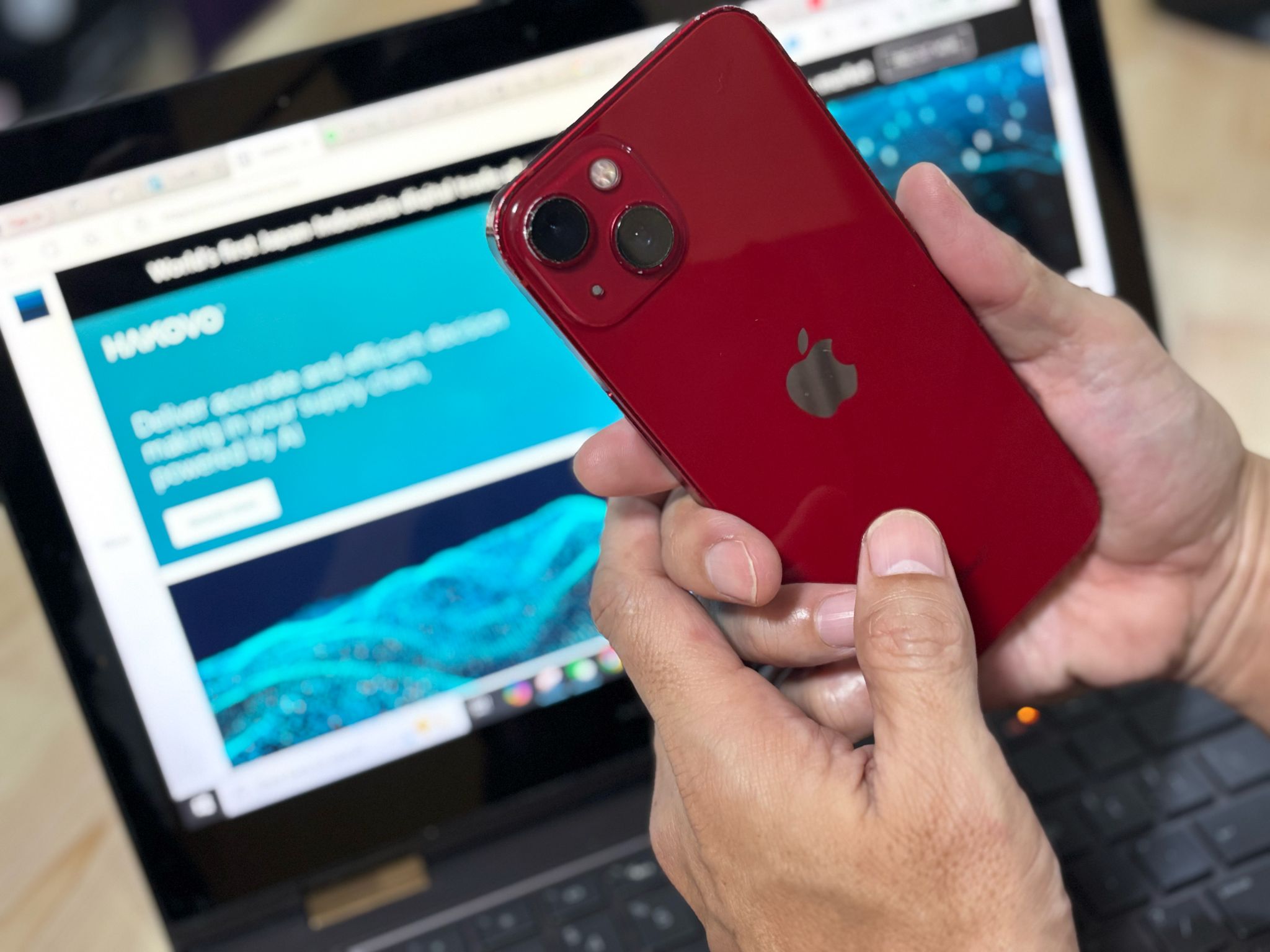
A long list of electronic products got a reprieve for now from at least some of the levies on China, which had been expected to take a toll on tech giants like Apple.
After more than a week of ratcheting up tariffs on products imported from China, the Trump administration issued a rule late Friday that spared smartphones, computers, semiconductors and other electronics from some of the fees, in a significant break for tech companies like Apple and Dell and the prices of iPhones and other consumer electronics.
A message posted late Friday by U.S. Customs and Border Protection included a long list of products that would not face the reciprocal tariffs President Trump imposed in recent days on Chinese goods as part of a worsening trade war. The exclusions would also apply to modems, routers, flash drives and other technology goods, which are largely not made in the United States.
The exemptions are not a full reprieve. Other tariffs will still apply to electronics and smartphones. The Trump administration had applied a tariff of 20 percent on Chinese goods earlier this year for what the administration said was the country’s role in the fentanyl trade. And the administration could still end up increasing tariffs for semiconductors, a vital component of smartphones and other electronics.
The moves were the first major exemptions for Chinese goods, which would have wide-ranging implications for the U.S. economy if they persist. Tech giants such as Apple and Nvidia would largely sidestep punitive taxes that could slash their profits. Consumers — some of whom rushed to buy iPhones this past week — would avoid major potential price increases on smartphones, computers and other gadgets. And the exemptions could dampen additional inflation and calm the turmoil that many economists feared might lead to a recession.
The tariff relief was also the latest flip-flop in Mr. Trump’s effort to rewrite global trade in a bid to boost U.S. manufacturing. The factories that churn out iPhones, laptops and other electronics are deeply entrenched in Asia — especially in China — and are unlikely to move without a galvanizing force like the steep taxes that the Trump administration had proposed.
The electronics exemptions apply to all countries, not just China.
Still, any relief for the electronics industry may be short-lived, since the Trump administration is preparing another national security-related trade investigation into semiconductors. That will also apply to some downstream products like electronics, since many semiconductors come into the United States inside other devices, a person familiar with the matter said. These investigations have previously resulted in additional tariffs.
Karoline Leavitt, the White House spokeswoman, said in a statement on Saturday that Mr. Trump was still committed to seeing more of these products and components made domestically. “President Trump has made it clear America cannot rely on China to manufacture critical technologies” and that at his direction, tech companies “are hustling to onshore their manufacturing in the United States as soon as possible,” she said.
A senior administration official, speaking on background because they were not authorized to speak publicly, said that Friday’s exemptions were aimed at maintaining America’s supply of semiconductors, a foundational technology used in smartphones, cars, toasters and dozens of other products. Many cutting-edge semiconductors are manufactured overseas, such as in Taiwan.
Paul Ashworth, the chief North America economist for Capital Economics, said the move “represents a partial de-escalation of President Trump’s trade war with China.”
He said the 20 product types that were exempted on Friday account for nearly a quarter of U.S. imports from China. Other countries in Asia would be even bigger winners, he said. Should the tariffs on those countries kick in again, the exemption would cover 64 percent of U.S. imports from Taiwan, 44 percent of imports from Malaysia and nearly a third of imports from both Vietnam and Thailand, he said.
The changes punctuated a wild week in which Mr. Trump backtracked from many tariffs he introduced on April 2, which he had called “liberation day.” His so-called reciprocal tariffs had introduced taxes that would reach up to 40 percent on products imported from some nations. After the stock and bond markets plunged, Mr. Trump reversed course and said he would pause levies for 90 days.
China was the one exception to Mr. Trump's relief because Beijing chose to retaliate against U.S. tariffs with levies of its own. Instead of pausing tariffs on Chinese imports, Mr. Trump increased them to 145 percent and showed no willingness to spare any companies from those fees. In return, China on Friday said it was raising its tariffs on American goods to 125 percent.
(Source: The New York Times)