
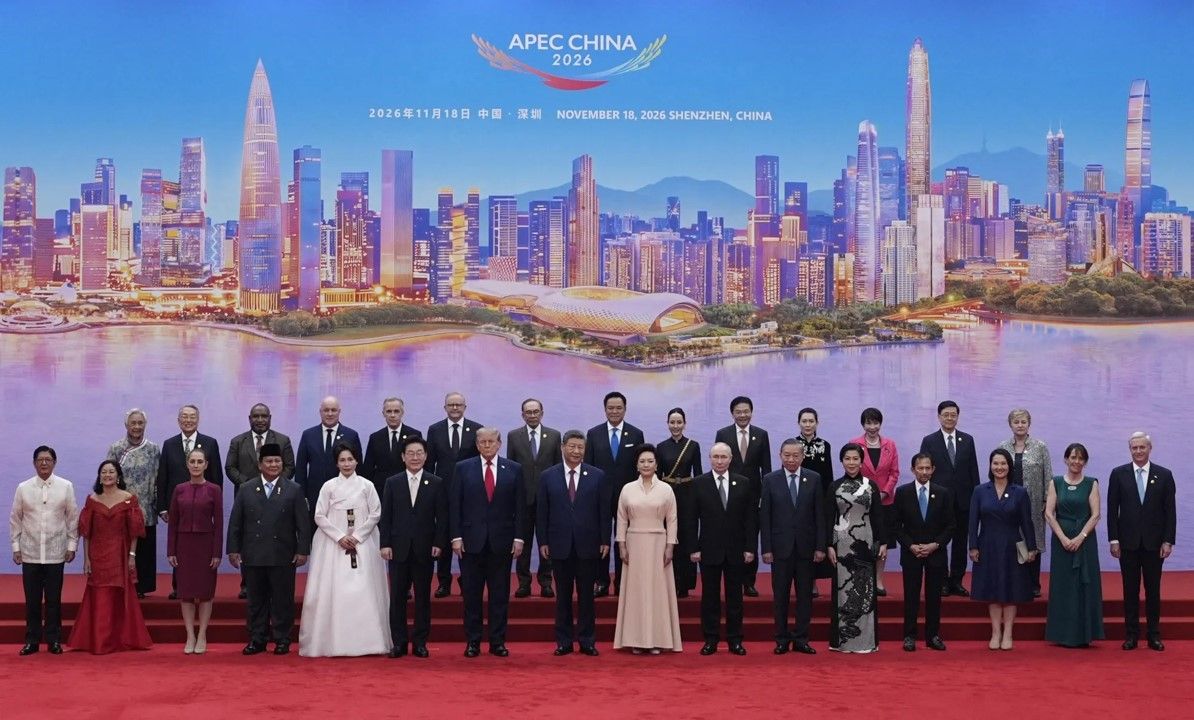
The 2026 APEC summit concluded in Shenzhen on November 19, so we can now assess its direction rather than only speculate. The central message was deeper regional integration through more resilient supply chains, digital trade and wider, safer AI adoption.
Expected supply-chain impact
Faster, more paperless cross-border trade
APEC is advancing electronic bills of lading, paperless customs processes, AI-assisted customs and a proposed Trade Digitalization Cooperation Framework for 2027–2030. APEC estimates that digitalizing trade documents could reduce transaction costs by 5.8%, although actual savings will vary by economy and implementation.
Likely business impact: shorter document-processing cycles, fewer manual errors and better shipment visibility, particularly for SMEs and regional freight operators.
Resilience through connectivity, not complete decoupling
The summit emphasized smarter customs and transport systems, better infrastructure and policies that keep goods and supply chains moving. Business representatives also called for stronger maritime and air connectivity, disaster-resilient transport and more efficient border procedures.
My assessment is that companies will continue “China-plus-one” and multi-country sourcing, but the regional objective remains diversification within an interconnected Asia-Pacific, rather than dismantling existing networks.
Gradual alignment of trade rules
APEC discussions supported further work toward the Free Trade Area of the Asia-Pacific, including policy research, capacity building and better alignment among existing agreements.
APEC is voluntary and consensus-based, so this will probably produce gradual improvements in standards, customs and interoperability rather than a single binding trade regime.
Expected AI impact
AI will move deeper into physical supply chains
APEC explicitly discussed AI in customs, energy, services and trade. Combined with trade digitalization, this points toward greater use of AI for demand forecasting, shipment routing, customs screening, inventory planning and disruption detection.
The practical shift is from AI as a standalone software project to AI embedded across procurement, logistics, ports, payments and trade documentation.
Regional AI governance will focus on interoperability
Leaders called for cooperation on data governance and more efficient, secure cross-border data flows. Earlier discussions also covered privacy, trust and technical standards.
A single Asia-Pacific AI law is unlikely. The more realistic outcome is mutual recognition, compatible standards and trusted mechanisms for moving commercial data between economies.
Digital readiness could widen the regional gap
APEC stressed safe and trusted AI, digital literacy, workforce development and preventing a wider digital divide. It also acknowledged that AI’s benefits are flowing more strongly to economies ready to adopt it.
Advanced digital hubs may gain first, while less-developed economies could struggle with infrastructure, skills, computing access and governance capacity.
What HAKOVO Can Do
HAKOVO can help turn Asia-Pacific digital-trade ambitions into practical solutions for businesses:
- Digitise trade documents: Use AI to extract and transform data from invoices, packing lists and other shipping documents.
- Automate customs declarations: Reduce manual processing, errors, delays and compliance risks across ASEAN.
- Improve tariff classification: Recommend HS codes and identify relevant trade regulations before submission.
- Connect regional trade systems: Support digital customs clearance through connections with ASEAN national single-window systems.
- Strengthen supply-chain visibility: Combine shipment, customs and trade-document data to help companies monitor cross-border operations.
- Support Indonesia’s industrial growth: As a strategic direction, HAKOVO could help Indonesian manufacturers and exporters simplify regional trade, improve compliance and participate more efficiently in Asia-Pacific supply chains.
Conclusions
The 2026 summit is unlikely to remove geopolitical fragmentation. Its more credible contribution is a common operating layer for Asia-Pacific commerce: paperless documentation, smarter borders, stronger transport links, compatible digital rules and safer AI adoption.
For businesses, the sensible preparation is to digitize trade documents, improve supplier visibility, build multi-country contingency options and adopt AI in targeted operational areas rather than treating it as a general-purpose experiment.
Source: https://www.apec.org/press/news-releases/2026/1115_CSOM