
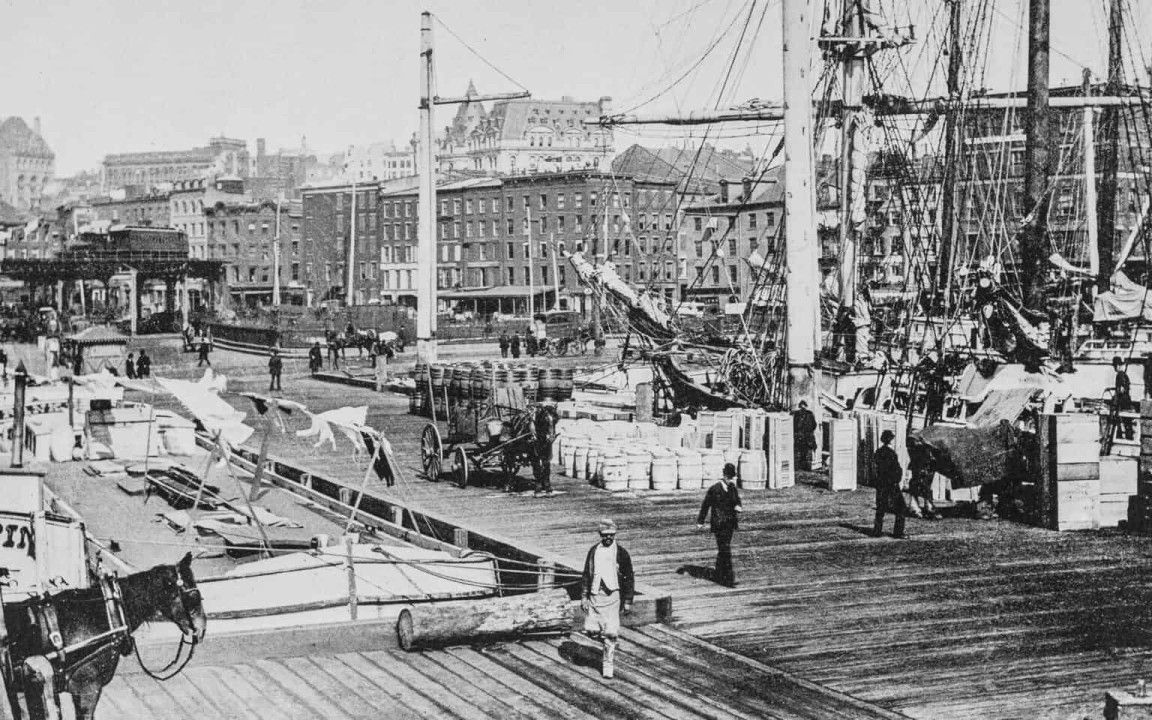
Freight forwarding has long been a critical component of global trade, allowing the movement of goods across borders and continents. The evolution of freight forwarding is a fascinating journey that mirrors the advancements in transportation, technology, and global commerce. This article explores the rich history of freight forwarding, tracing its roots from ancient times to the modern digital age, and highlighting how companies have adapted to these changes to provide comprehensive freight solutions.
The Origins of Freight Forwarding
The concept of freight forwarding can be traced back to the days of caravan trade routes, where merchants would rely on negotiators to transport goods across vast distances. These early freight forwarders were pivotal in establishing trade routes that connected the East and West, laying the groundwork for international trade as we know it today.
The Age of Sail and Steam
As the carriage and exportation trade expanded, the role of freight forwarding evolved. The Age of Sail introduced shipping routes across the world’s oceans, making necessary, skilled agents to manage the complexities of carriage and exportation logistics. The introduction of steam-powered vessels further revolutionised freight forwarding, reducing transit times and increasing the reliability of sea transport.
The 20th Century
The 20th century marked a significant turning point within freight forwarding. The arrival of containerisation (the process of combining cargoes in exports) in the 1950s was a game-changer, allowing for the efficient and secure transport of goods. This laid the foundation for the modern freight forwarding industry, enabling the rapid expansion of global trade networks.
The Rise of Air Freight
The development of air freight added a new dimension to freight forwarding, offering faster transit times for time-sensitive shipments. The ability to quickly transport goods across the globe has been involved in the growth of industries such as fashion, electronics, and pharmaceuticals, where speed to market is critical.
Technological Advancements
The late 20th and early 21st centuries have seen significant technological advancements that have transformed freight forwarding. The new digital features of the logistics industry has introduced a new level of efficiency and transparency, with online tracking systems, electronic documentation, and automated customs clearance processes becoming standard practice.
Modern Freight Forwarding
Today, freight forwarding is much more than just transport exportations; they are integral partners in the global supply chain. With the complexity of international trade regulations and the need for seamless logistics solutions, freight forwarding plays a crucial role in ensuring the smooth and efficient movement of goods.
Embracing Sustainability
The evolution of freight forwarding also reflects the growing importance of sustainability in global logistics. Modern freight forwarders are increasingly adopting green logistics practices, such as optimising route planning to reduce carbon emissions and selecting eco-friendly transport modes.
Navigating the Digital Landscape
The digital revolution has significantly impacted the freight forwarding industry, with digital platforms and blockchain technology offering new ways to streamline operations and enhance security. Freight forwarders are leveraging these technologies to provide more responsive and customisable services to their clients.
The Future of Freight Forwarding
The future of freight forwarding is at ease for further innovation, with emerging technologies like AI, the internet, and autonomous vehicles set to change the logistics space. As the industry continues to evolve, the focus will increasingly be on enhancing efficiency, reducing environmental impact, and improving supply chain resilience.