


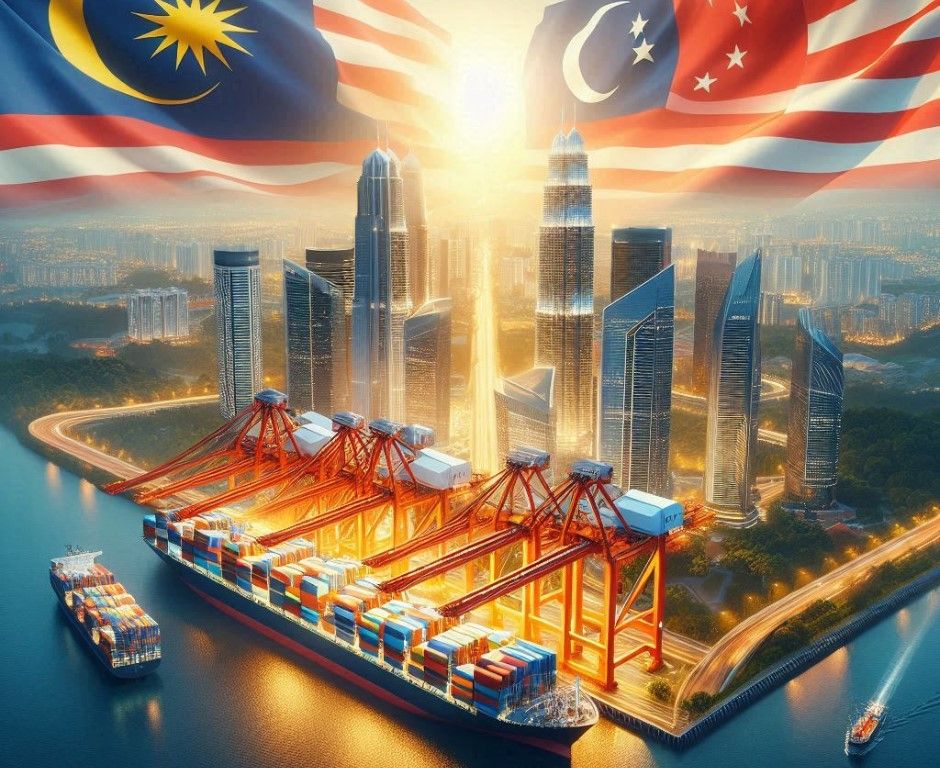
The Johor–Singapore Special Economic Zone (JS‑SEZ) is a landmark cross‑border initiative launched in January 2024 by the governments of Singapore and Malaysia. Its purpose is to create a dynamic single economic area that leverages Singapore’s strengths in capital, technology, and global connectivity together with Johor’s land, labor, and industrial capacity.
Key Features of the JS‑SEZ
- Scale: Covers 3,500 km² (over four times the size of Singapore), including Iskandar Malaysia, Pengerang, and nine flagship zones.
- Sectors: Targets 11 industries, such as logistics, digital economy, manufacturing, healthcare, and green technologies.
- Investment: Johor attracted RM56 billion (≈ S$17.2 billion) in the first half of 2025, much of it linked to SEZ initiatives.
- Integration: Harmonizes policies to reduce trade friction and improve movement of goods and people across the Causeway.
- Jobs: Aims to expand 50 projects and create 20,000 skilled jobs within five years.
Advantages for Businesses
- Lower Costs: Companies can relocate or expand operations into Johor to save on land, labor, and overheads while keeping a strategic base in Singapore.
- Simplified Regulations: One‑stop centers and streamlined approvals reduce bureaucratic hurdles. From January 2025, only one transshipment permit is needed for land intermodal shipments (instead of two).
- Connectivity: The Johor Bahru–Singapore RTS Link (expected by end‑2026) will ease commuter traffic, while paperless cargo clearance will speed up trade.
- Supply Chain Resilience: Supports “China plus one” strategies by offering a cost‑effective, secure base near Singapore.
- Green Economy: Promotes ESG practices, renewable energy, and sustainable production.
Challenges to Note
- Regulatory Complexity: Differences in tax and labor laws between Malaysia and Singapore still create compliance hurdles.
- Labor Mobility: Causeway congestion and wage gaps may limit workforce fluidity.
- Infrastructure Readiness: Some Johor areas may face delays in utilities or zoning.
- Cross‑Border Risks: Currency fluctuations and policy changes require careful risk management.
Strategic Highlights
- Logistics is the immediate winner, as the SEZ directly reduces friction in cross‑border trade.
- Tech & Digital Economy gains from Singapore’s innovation ecosystem and Johor’s cost advantages.
- Healthcare & Biotech benefit from regional demand for affordable yet advanced medical services.
- Green Economy aligns with global ESG investment trends, making Johor a hub for sustainable industries.
In summary: The Johor–Singapore SEZ is designed to deepen economic integration, attract global investment, and strengthen supply chain resilience. For businesses, it offers lower costs, streamlined regulations, and new growth opportunities, but success depends on navigating regulatory and logistical challenges.