


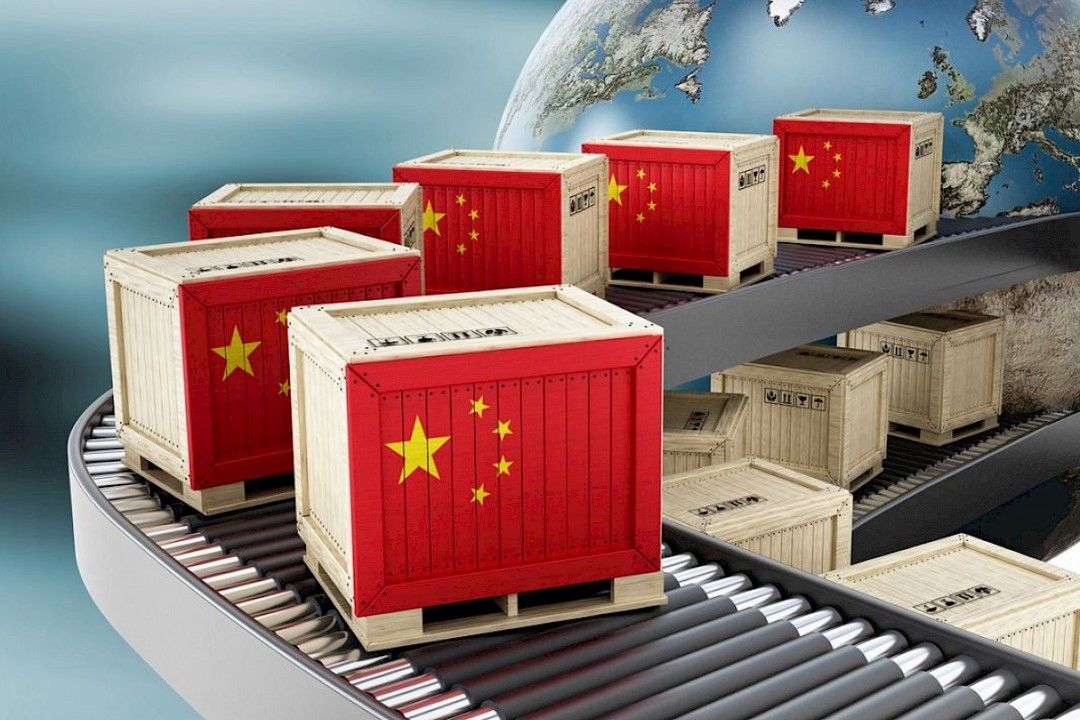
Chinese New Year (Year of the Fire Horse) will officially begin on February 17, 2026. While the public holiday lasts seven days, the operational impact is far more extensive. Many factories across China close for two weeks or longer, and full production often takes additional time to resume once workers return.
For global shippers, Chinese New Year is not only a cultural milestone it is one of the most disruptive annual events in the global supply chain. Companies that fail to plan ahead risk delays, rising costs, and missed sales opportunities with lasting consequences.
Why Chinese New Year 2026 Is Especially Critical
This year’s holiday coincides with heightened uncertainty surrounding U.S. trade policy and tariffs, making supply chain planning more complex. According to CNBC, factory shutdowns occur at a pivotal time when orders for spring and summer merchandise must be placed early to ensure goods depart before production halts. Traditionally, companies place manufacturing orders in late December or early January to avoid disruption.
Additional market dynamics intensify the challenge:
- The U.S. freight market has faced a rate recession, driven by lower container volumes after companies front-loaded imports to reduce tariff exposure.
- This front-loading disrupted traditional peak shipping patterns in 2025.
- If tariffs enacted under the International Emergency Economic Powers Act are ruled illegal by the Supreme Court, imports may rise as companies rebuild inventory and hedge against future tariff changes.
The conclusion is clear: volatility is likely, and shippers who prepare early will be better positioned than those who wait.
Supply Chain Risks During Chinese New Year
As factories prepare to close, familiar patterns emerge across logistics networks:
- A surge in demand as shippers rush to move cargo before shutdowns.
- Carrier space shortages, especially on transpacific lanes.
- Rising ocean and inland transportation rates.
- Port congestion, rail delays, and inland bottlenecks.
- Extended lead times that disrupt inventory planning and customer commitments.
For businesses operating on lean inventory models or tight schedules, these disruptions can be severe if not anticipated.
How Shippers Can Prepare
While Chinese New Year disruptions cannot be eliminated, proactive planning can significantly reduce their impact. Key strategies include:
- Ship earlier than usual to secure capacity before demand spikes.
- Diversify ports of entry to avoid reliance on congested gateways.
- Split shipments across multiple sailings, modes, or routes.
- Build buffer inventory where feasible.
- Partner with agile logistics providers that can adjust routing and execution in real time.
Preparation is not about removing risk it is about building flexibility into the supply chain.
The Role of Logistics Providers
A national container freight and logistics provider a vital role in helping North American shippers navigate Chinese New Year disruptions. With integrated services, shippers gain access to:
- Nationwide port and rail drayage coverage.
- Intermodal and transload solutions for efficient inland freight movement.
- Warehousing and inventory staging to manage early arrivals.
- Port-to-door and expedited services for time-sensitive cargo.
- Flexible routing strategies across multiple U.S. gateways.
- Proactive communication and visibility during disruption periods.
Having the right logistics partner ensures shippers can respond quickly to congestion, capacity constraints, and shifting market conditions.
Plan Ahead to Stay Ahead
Chinese New Year occurs every year, but its impact varies dramatically depending on preparation. With factory shutdowns, evolving trade policy, and potential shifts in import volumes converging in early 2026, early planning is more important than ever. Companies that act now will be positioned to maintain supply chain resilience and meet customer demand despite seasonal volatility.